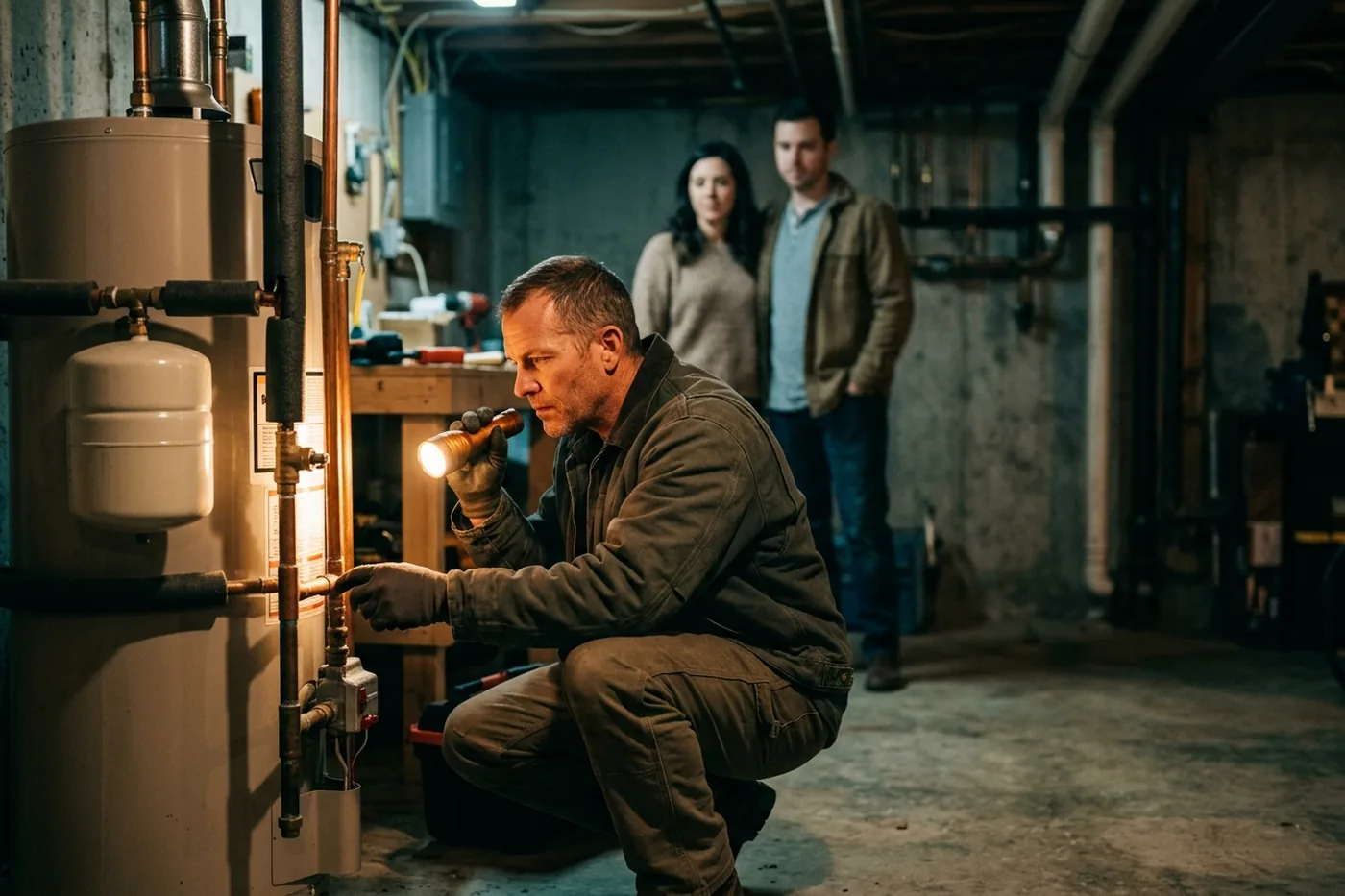
A standard inspection is a few hours of visual examination of accessible systems: roof, structure, exterior, plumbing, electrical, heating and cooling, insulation and ventilation, windows and doors, and built-in appliances. The inspector operates what can be operated and looks at what can be seen. Nothing is opened up, and nothing hidden is guaranteed.
Outside the standard scope
Sewer lines, chimneys' interiors, swimming pools, wells and septic systems, radon, mold sampling, asbestos, lead paint and pest infestation each require a specialist or a separate test, usually at extra cost. On older homes, the sewer scope is the add-on most worth buying: a failed lateral line runs to five figures and a camera inspection is cheap against that.
Reading the report
Reports run long because inspectors document everything, and a forty-page report on a sound house is normal. Sort findings into three piles.
- Safety and major systems: electrical hazards, structural movement, active leaks, a furnace or roof at end of life. These drive negotiation.
- Deferred maintenance: aging water heater, worn seals, minor grade issues. Budget items, not deal items.
- Cosmetics: noted for completeness. Ignore in negotiation, because asking for everything signals you can be waved off on anything.
What happens next
With an inspection contingency, you can ask for repairs, a price reduction, a credit at closing, or walk away within the contingency window. Credits usually beat seller repairs, since sellers fix things to the cheapest passable standard while a credit lets you control the work. Ask for the few things that matter, priced with a contractor quote where you can get one quickly.
Attending, and choosing the inspector
Attend if you can, at least for the final walkthrough of findings. Two hours following someone through the house teaches you more about the systems you are buying than the report will, and questions asked in the attic get better answers than questions emailed later.
Choose the inspector yourself rather than taking the agent's default recommendation. Your agent is paid on closing, which is a mild structural conflict rather than an accusation, and an inspector who depends on agent referrals is subject to the same pressure. Check state licensing where it exists, ask how many inspections they perform in a year, and ask to see a sample report before booking.
The CFPB's home buying guide covers where the inspection sits in the purchase timeline, and the EPA publishes guidance on radon testing, one of the more common add-ons.
The limits, honestly stated
Inspectors miss things, and their contracts limit liability, often to the inspection fee. The inspection is one day's visibility, not a warranty. Sellers' disclosure obligations, which vary by state, fill part of the gap; your own attention during the final walkthrough fills a little more. Treat the inspection as risk reduction that shifts odds meaningfully in your favor, because that is what it is, and everything it finds before closing is negotiable while everything found after is yours.