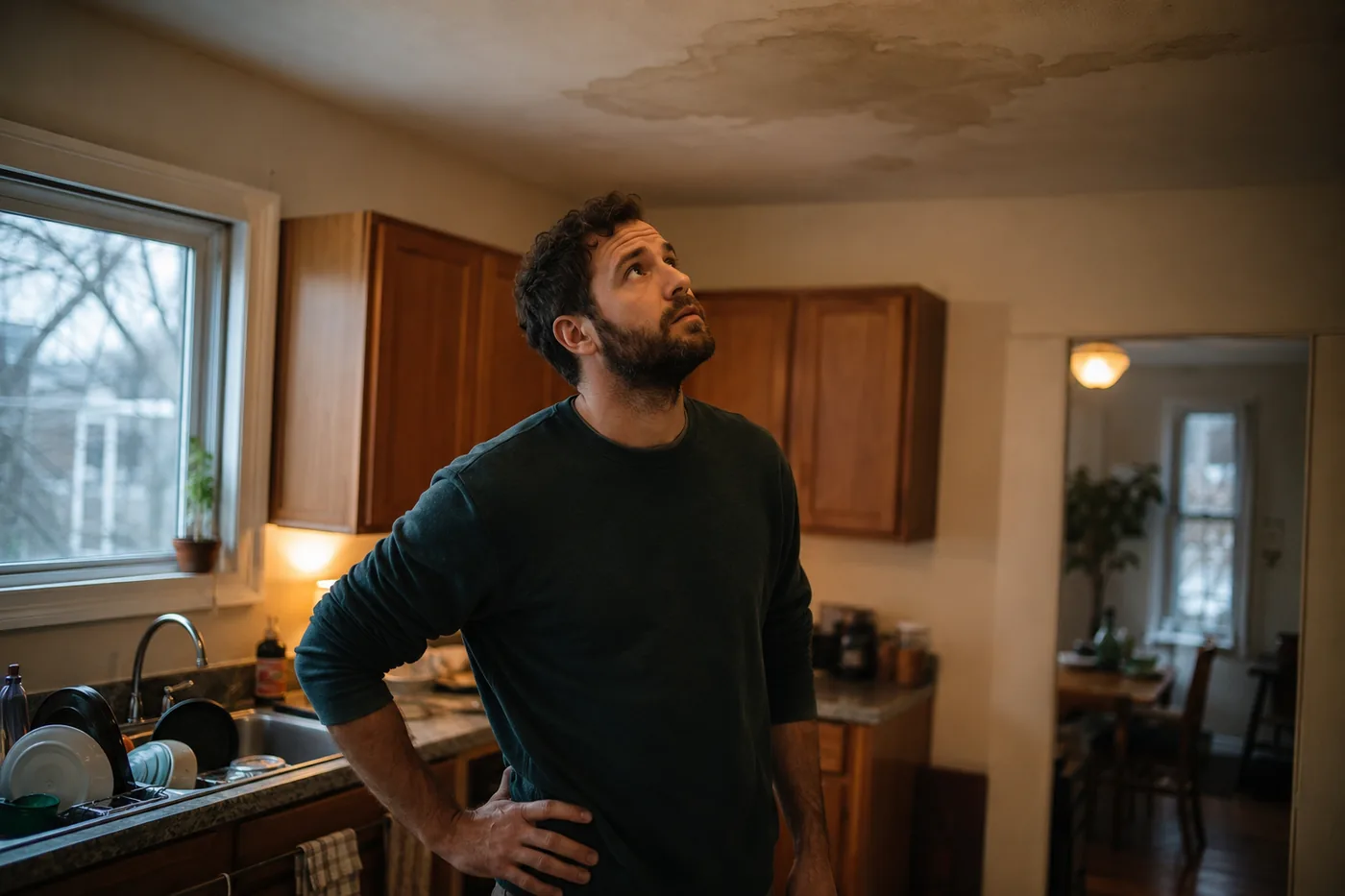
Nearly every state reads an implied warranty of habitability into residential leases: the unit must be fit to live in, whatever the lease says. Heat, running water, electricity, a sound structure, working locks, and freedom from serious pest infestation sit at the core of it. Cosmetic problems and minor annoyances do not.
The order of operations
1. Report it in writing. A text or email dated and kept. Verbal reports legally happened, but proving they happened is another matter, and every remedy downstream depends on the landlord having been notified.
2. Allow a reasonable time. What is reasonable scales with severity. No heat in winter is a same-week problem, often same-day under local codes. A dripping faucet is not.
3. Escalate through code enforcement. Cities and counties inspect rental housing on complaint. An inspector's citation converts your word into an official finding and puts the landlord on a compliance clock. Retaliation for calling an inspector, by eviction or rent increase, is specifically prohibited in most states.
The self-help remedies, used carefully
Repair and deduct. Many states let you hire the repair yourself and subtract the cost from rent, with strict conditions: proper notice first, a genuine habitability issue, and caps commonly around one month's rent. Follow the state's exact procedure, because a misstep converts your remedy into a rent shortfall.
Rent withholding. Some states allow withholding rent, or paying it into an escrow account, until serious problems are fixed. This is the strongest lever and the easiest to get wrong. Where escrow is available, use it: withheld rent sitting in a dedicated account demonstrates good faith and defeats the claim that you simply stopped paying.
Breaking the lease. Conditions bad enough amount to constructive eviction, which ends your obligations under the lease. The bar is high: the unit must be genuinely unlivable and the landlord on notice and unresponsive. Document everything before relying on it.
Retaliation protection, and its limits
Most states prohibit a landlord from raising rent, cutting services, or starting eviction because you asserted a repair right, and many create a presumption of retaliation if adverse action follows a complaint within a set window, often six months. That presumption is powerful: it shifts the burden onto the landlord to show a legitimate reason.
The protection has boundaries. It does not excuse unpaid rent or a lease violation of your own, and it does not prevent a landlord declining to renew a fixed-term lease in states without just-cause rules. Keeping your own obligations clean is what keeps the protection usable.
What not to do
Do not stop paying rent informally. In most states an eviction case for non-payment moves faster than your habitability complaint, and being right about the mold does not always defeat being behind on rent. Use the state's sanctioned remedy or keep paying while you escalate.
State-by-state summaries of tenant remedies are indexed at HUD's tenant rights pages.